

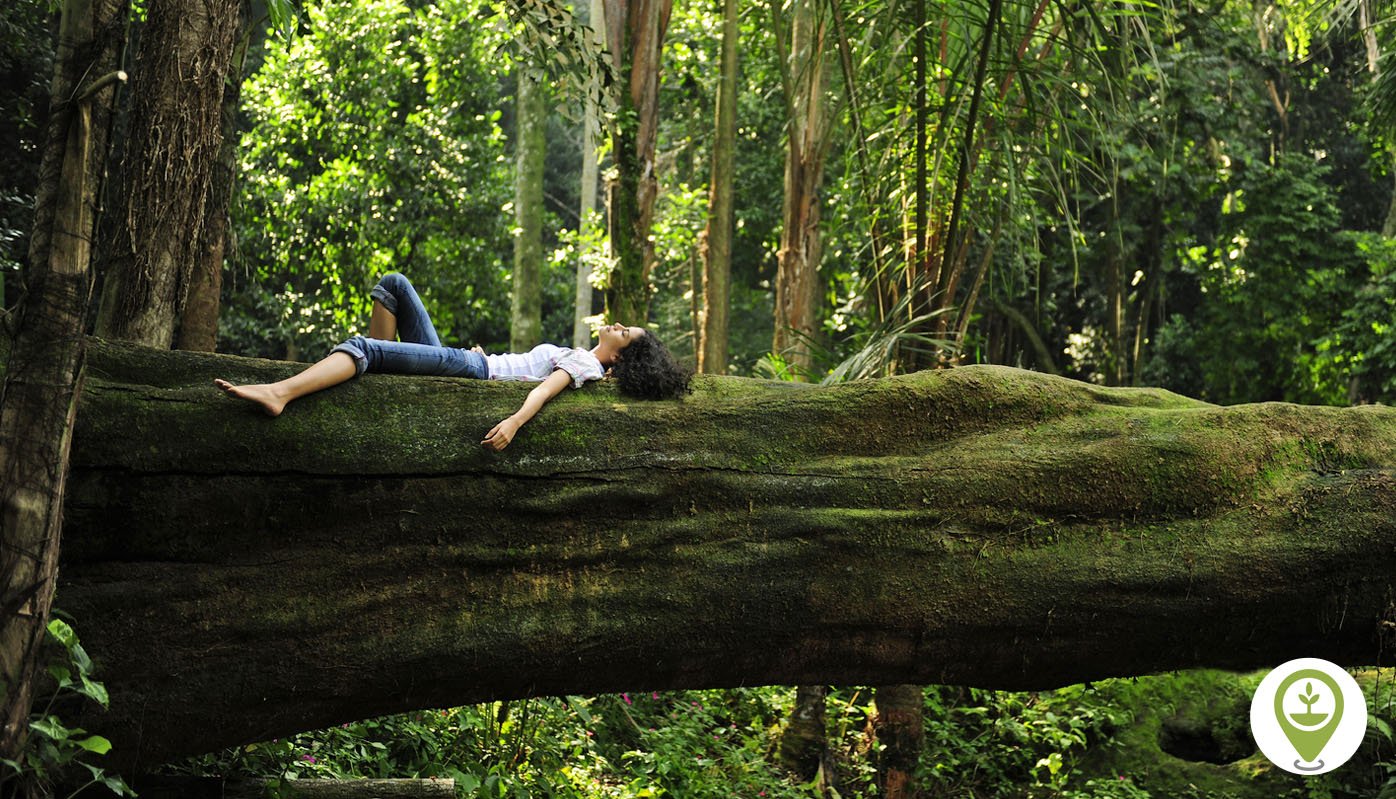
The Healing Power of Forest Bathing: Reconnecting With Nature in a Modern World
In today’s fast-paced and digitally connected world, people are increasingly experiencing stress, anxiety, and emotional exhaustion. As urban lifestyles become more demanding, the need for natural spaces that restore balance and inner calm has never been greater. Forest bathing, also known as *Shinrin-yoku*, offers a simple yet powerful way to reconnect with nature and rediscover a sense of peace that is often lost in daily life.
Unlike traditional outdoor activities, forest bathing is not about exercise or physical effort. Instead, it is a mindful practice of immersing oneself in nature using all the senses. By slowing down, breathing deeply, and observing the natural environment, individuals can experience a profound shift in mental clarity, emotional balance, and overall well-being.
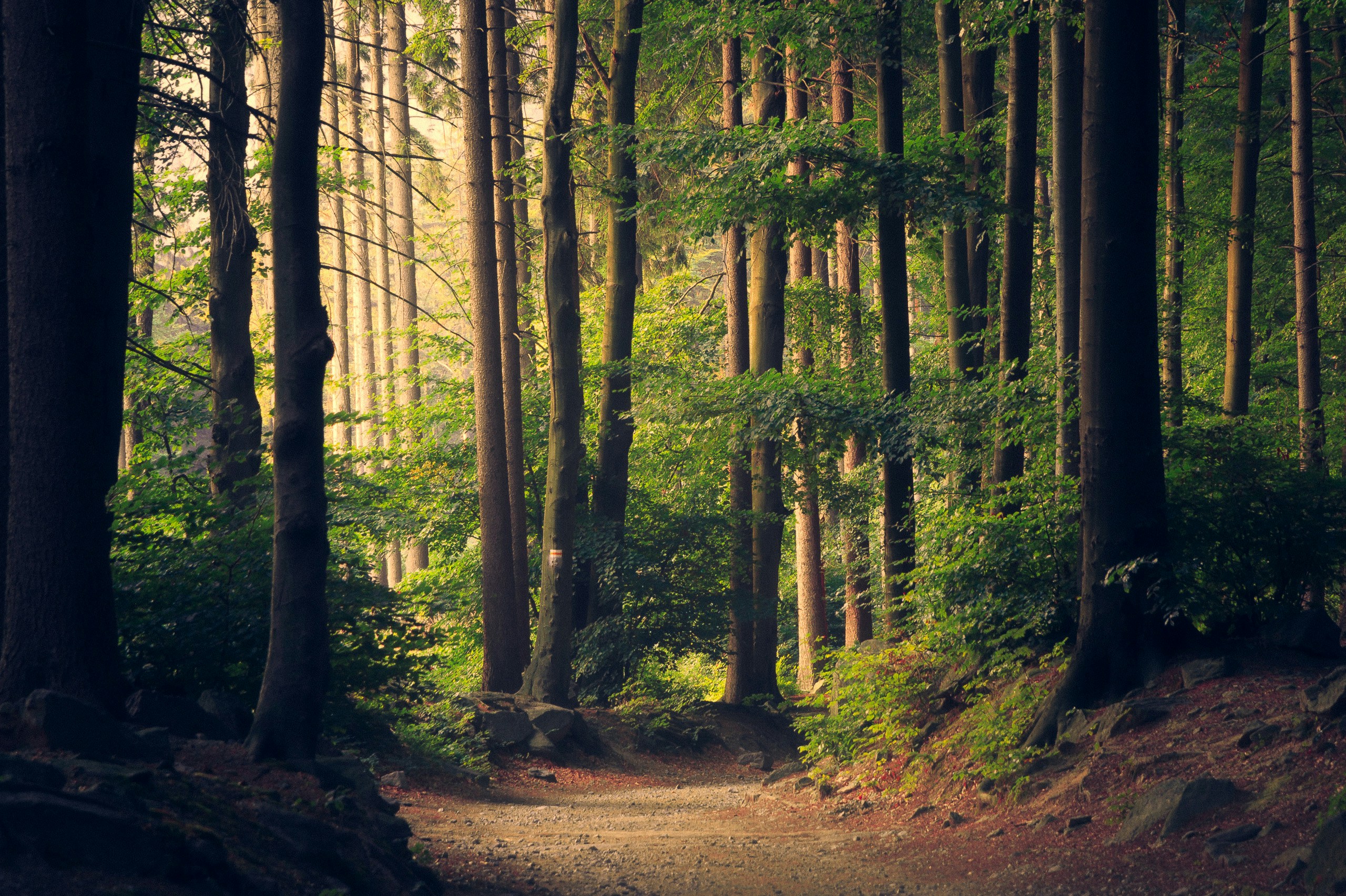
Healing begins the moment you slow down enough to hear the quiet language of nature.
How Forest Bathing Reduces Stress and Anxiety
Scientific research has shown that spending time in forests can significantly reduce cortisol levels, which are directly linked to chronic stress responses in the human body, especially in modern urban lifestyles where constant stimulation, digital exposure, and work pressure continuously activate the nervous system throughout the day. When individuals enter natural environments such as forests, the body begins to shift from a heightened state of alertness into a more balanced parasympathetic state, allowing heart rate, breathing patterns, and mental activity to gradually slow down and stabilize in a natural and restorative way over time. The presence of natural sounds, fresh air, and organic visual patterns helps the brain disengage from overstimulation and creates a calming effect that supports emotional regulation and psychological recovery in a deeply meaningful way. Even short exposure to green environments has been observed to improve mood stability, reduce mental fatigue, and enhance clarity of thought, making it easier for individuals to process emotions and regain inner balance. This natural reset effect is one of the core reasons forest environments are increasingly used in wellness practices and therapeutic approaches around the world.
The sensory experience of being in a forest—listening to birds, feeling the texture of leaves, observing sunlight filtering through trees, and noticing subtle natural movements—helps shift attention away from digital distractions, mental overload, and continuous cognitive pressure that often dominates daily life in modern society. This gentle redirection of awareness encourages the mind to slow down naturally, allowing thoughts to become less scattered and more grounded in the present moment rather than being constantly pulled toward past concerns or future worries. As sensory awareness deepens, individuals begin to reconnect with basic forms of perception that are often neglected, which helps restore a sense of simplicity and clarity that supports emotional stability and inner calm. Over time, this practice strengthens attention control and reduces the tendency for overthinking, creating a more balanced mental state that feels both peaceful and restorative. The forest becomes not just a physical environment but a supportive space where the mind can rest, reset, and gradually heal from accumulated stress.
The Role of Mindfulness in Nature Connection
Mindfulness plays a central role in forest bathing because it encourages individuals to be fully present in the moment without judgment, distraction, or internal resistance, allowing them to experience nature in its purest and most grounding form. When practiced in natural environments, mindfulness becomes significantly more powerful because the forest itself naturally supports calmness, sensory awareness, and emotional grounding through its slow rhythms, organic patterns, and peaceful atmosphere. Instead of trying to control thoughts or force relaxation, individuals are guided to simply observe their surroundings and internal experiences with openness, which helps reduce mental tension and creates a sense of spaciousness within the mind. This practice allows emotional patterns to settle naturally while increasing awareness of breath, body sensations, and environmental cues that are often overlooked in daily life. As this awareness deepens, individuals begin to experience a stronger sense of presence and connection, both internally and externally, which contributes to long-term emotional balance and psychological resilience.
Simple practices such as slow walking, deep breathing, and silent observation help individuals develop a stronger and more conscious connection with both the external natural world and their inner emotional landscape in a way that feels gentle yet profoundly transformative over time. Slow walking encourages awareness of movement and grounding, deep breathing supports nervous system regulation and relaxation, and silent observation allows the mind to settle into a state of clarity without unnecessary stimulation or distraction. As these practices are repeated regularly, they begin to reshape habitual thought patterns, reducing reactivity and increasing emotional stability in everyday situations that once felt overwhelming or stressful. This gradual transformation builds resilience by strengthening the ability to remain calm under pressure while maintaining awareness of internal and external experiences simultaneously. Over time, mindfulness in nature becomes not just a practice but a way of being that supports sustained well-being and deeper self-understanding.
Why Nature is Essential for Modern Well-being
Human beings are naturally connected to nature, yet modern lifestyles have increasingly separated individuals from this fundamental relationship through urbanization, technology dependency, and fast-paced routines that limit meaningful interaction with natural environments. Reintroducing nature into daily life is essential for maintaining emotional balance, physical health, and psychological stability because it provides a restorative contrast to artificial environments that often overstimulate the mind and body. Forest environments in particular offer a unique combination of sensory richness and calming simplicity that cannot be replicated by indoor or digital spaces, making them especially powerful for recovery and emotional grounding. The natural world operates at a slower and more organic rhythm, which helps regulate internal biological systems and encourages individuals to align themselves with more balanced patterns of living. This reconnection supports a healthier lifestyle that prioritizes presence, awareness, and harmony over constant productivity and external validation.
Regular interaction with nature supports improved sleep quality, enhanced focus, greater creativity, and a stronger sense of emotional balance by allowing the nervous system to reset and the mind to release accumulated tension from daily stressors and responsibilities. Exposure to natural environments helps regulate circadian rhythms, reduce mental fatigue, and improve cognitive performance, which collectively contributes to better overall functioning in both personal and professional life. It also encourages individuals to adopt a more mindful and intentional way of living, where thoughts, emotions, and actions are observed with greater awareness rather than being driven by automatic reactions or external pressures. This shift in perspective fosters emotional intelligence, self-awareness, and a deeper appreciation for simplicity in everyday experiences. Over time, consistent engagement with nature becomes a foundation for a more balanced, meaningful, and sustainable lifestyle.
Conclusion: Returning to Nature for Inner Healing
Forest bathing is more than just a wellness trend; it represents a return to a natural and intuitive way of living that acknowledges the deep and inseparable connection between human well-being and the health of the natural world. By intentionally spending time in forests and engaging in mindful presence, individuals can gradually restore emotional balance, reduce accumulated stress, and reconnect with a sense of inner peace that is often diminished by modern life demands and constant stimulation. This practice allows the body and mind to recalibrate in a supportive environment where healing occurs naturally through stillness, observation, and sensory engagement with the environment. It also helps individuals develop a more grounded perspective on life, where clarity replaces confusion and presence replaces distraction over time. In this way, forest bathing becomes a pathway not only to relaxation but also to deeper self-understanding and emotional restoration.
At LivingFullyWellness, we believe that healing begins in nature and unfolds through intentional experiences that reconnect individuals with the Earth, their senses, and their inner world in a meaningful and lasting way. Through guided forest experiences, mindful practices, breathwork, and immersive retreats, we create opportunities for people to step away from noise and rediscover the power of stillness, presence, and natural connection. These experiences are designed to support emotional healing, mental clarity, and a renewed sense of balance that extends beyond the forest into everyday life and decision-making. The forest is not viewed as a temporary escape but as a living space of reflection, restoration, and transformation that continues to influence well-being long after the experience ends. In this way, LivingFullyWellness becomes a bridge between modern life and natural harmony, helping individuals truly live fully with awareness and intention.