
The Science of Slow Living in Nature: Rebuilding Balance in a Fast World
Modern life has become increasingly fast-paced, where speed, efficiency, and constant productivity are often prioritized over rest, reflection, and inner balance. In this environment, many individuals find themselves living in a continuous cycle of urgency, where even moments of rest are filled with mental noise and anticipation of the next task. Slow living in nature offers a powerful alternative by encouraging a more intentional and mindful way of experiencing time, where presence becomes more important than productivity and awareness replaces constant rushing. When individuals step into natural environments and allow themselves to move at a slower rhythm, the mind begins to naturally synchronize with the calm and steady pace of the natural world.
This shift toward slow living is not about doing less for the sake of inactivity, but about doing everything with greater awareness, clarity, and intention. Nature provides the perfect setting for this transformation because it operates without urgency, comparison, or pressure, offering a living example of balance and patience. As individuals immerse themselves in forests, riversides, or open green spaces, they begin to notice subtle changes in perception, where time feels less fragmented and more continuous, allowing for deeper emotional grounding and mental stability.
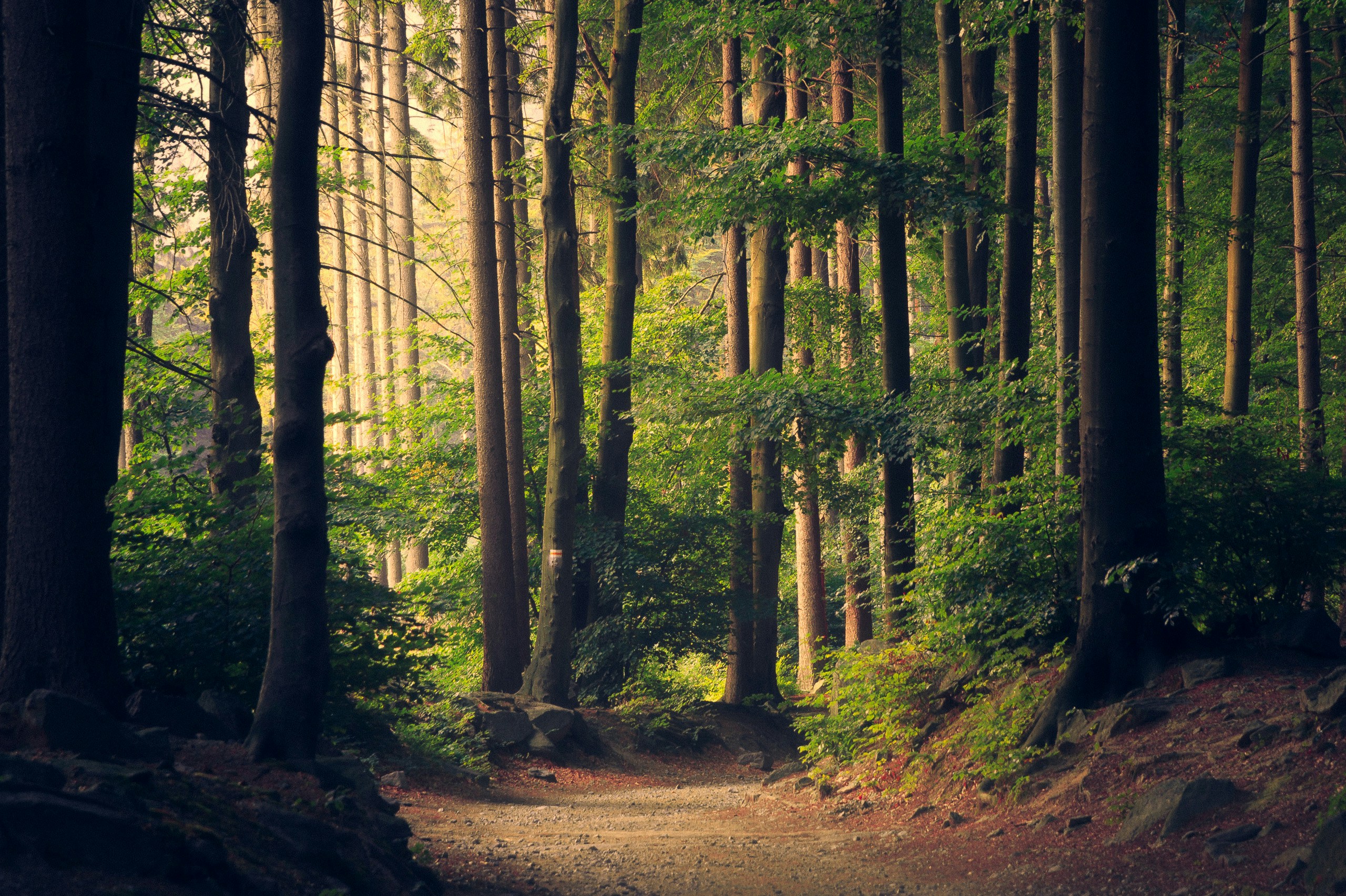
When life slows down, awareness deepens—and what once felt ordinary begins to feel meaningful again.
How Fast Living Impacts the Mind and Body
A fast-paced lifestyle keeps the nervous system in a near-constant state of activation, where the body remains prepared for action even during moments that are meant for rest. This ongoing stimulation can gradually lead to mental fatigue, emotional imbalance, and a reduced ability to fully engage with the present moment. Over time, individuals may begin to feel disconnected from their own thoughts and emotions, as their attention becomes increasingly divided between multiple responsibilities, screens, and external demands. This fragmented awareness makes it difficult to experience genuine rest, even during breaks, because the mind continues to process unfinished tasks and future expectations.
Physically, chronic speed and stress can affect sleep quality, energy levels, and overall well-being, as the body struggles to fully transition into restorative states. Mentally, it reduces attention span and increases irritability, making it harder to sustain deep focus or emotional calm. These effects highlight the importance of creating intentional pauses in daily life where the body and mind can recalibrate and return to a more balanced rhythm.
The Natural Rhythm of Healing Through Slowness
Nature inherently operates through cycles, seasons, and gradual transformations, all of which reflect a pace that is fundamentally slower and more sustainable than human-created systems of constant urgency. When individuals spend time in natural environments, they begin to unconsciously align with these rhythms, allowing their internal systems to settle into a more regulated and stable state. This process supports emotional healing by reducing overstimulation and creating space for reflection and integration.
Slowness in nature also enhances sensory awareness, allowing individuals to notice details that are often missed in fast-paced environments, such as subtle changes in light, sound, and movement. This heightened awareness fosters a deeper connection with the present moment and encourages a more grounded sense of being, where thoughts become less reactive and more observational in nature.
Slow Living as a Form of Inner Wellness
Slow living extends beyond physical environment and becomes a mindset that influences how individuals approach daily life, decisions, and relationships. It encourages a shift from reactive living to intentional living, where actions are guided by clarity rather than urgency. This mindset helps reduce unnecessary stress and creates space for more meaningful experiences, where quality takes priority over quantity in both thought and action.
As this approach becomes more integrated into daily life, individuals often experience improved mental clarity, emotional resilience, and a stronger sense of alignment with their personal values. It also fosters greater appreciation for simple moments, allowing life to feel more grounded, connected, and fulfilling without the constant need for external validation or stimulation.
Conclusion: Returning to a Balanced Way of Being
The science of slow living in nature reveals that balance is not something to be achieved through effort alone, but something that emerges naturally when individuals allow themselves to step away from constant urgency and reconnect with simpler, more grounded ways of living. By embracing slowness, people can rediscover clarity, emotional stability, and a deeper sense of presence that supports long-term well-being. Nature serves as both teacher and environment in this process, gently guiding individuals back to a more harmonious way of experiencing life.
At LivingFullyWellness, we believe that slowing down is not a step backward but a return to what is essential. Through mindful nature experiences and intentional pauses from modern overload, we help individuals reconnect with their natural rhythm and rediscover the value of simply being. In this space of slowness, healing becomes natural, awareness deepens, and life begins to feel more meaningful again.